St. Peregrine Healing Ministry
Patron of those suffering from Cancer and Incurable Illnesses
His Servite Spirituality of Healing
Unlike modern self-help healing ideas, Peregrine represents Catholic redemptive healing, where illness can become:
-
A Place of Encounter with Christ
-
A Participation in the Passion
-
A Purification of the Soul
-
Channel of Grace for Others
-
A School of Humility
-
A Path to Resurrection
This is deeply Servite because the Servite path contemplates:
-
Mary’s sorrows
-
Christ’s Passion
-
Compassion for suffering humanity
Servite Healing Ministry
From the very beginning the Servite vocation has been inseparable from compassion, healing, mercy, and accompaniment of those who suffer.
Early Servites were known for tending to the sick in hospitals and caring for those abandoned by society, seeing in them the suffering Christ.
Throughout the centuries, Servite friars, sisters, nuns, and Secular Servites have continued this healing mission through hospitals, clinics, orphanages, schools, missions, shrines, healing Masses, chaplaincy work, spiritual direction, and compassionate care for the suffering in every form, physically, emotionally, spiritually, and morally.
The Servite Rule of Life specifically teaches that devotion to Our Lady of Sorrows leads the Servant of Mary to develop “a particular interest in service to the sick, the infirm and the most needy.” This spirit continues to animate the Servite Family throughout the world today.
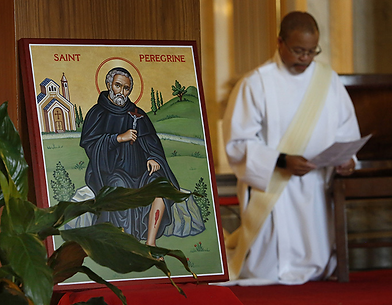
Among the great healing saints of the Order is St. Peregrine Laziosi, known throughout the world as the patron saint of those suffering from cancer, incurable diseases, AIDS, and serious illnesses. After experiencing miraculous healing himself, devotion to St. Peregrine spread internationally through the Servite Order. Today, Servites continue promoting devotion to St. Peregrine by helping parishes establish shrines, healing ministries, novenas, and prayer services dedicated to his intercession for the sick and suffering faithful.
Another beloved Servite saint is St. Juliana Falconieri, foundress of the Servite Sisters and patron saint of the sick and those suffering from intestinal illnesses. Her life was marked by extraordinary compassion, penance, Eucharistic devotion, and care for the suffering. She became a spiritual mother to the poor, ill, and forgotten, embodying the tenderness of Our Sorrowful Mother.
The Servite healing apostolate expanded significantly in modern times through the ministry of Fr. Peter Mary Rookey, affectionately known as “The Healing Priest.” A Servite friar renowned for his worldwide healing ministry, Fr. Rookey traveled extensively praying with thousands of people through healing services, Eucharistic devotion, Marian consecration, and prayers for physical, emotional, and spiritual healing. His ministry brought hope and renewed faith to countless suffering souls and reflected the Servite conviction that Christ still heals through the Church.
One of the most influential Servite healing devotions in North America began in Chicago through the famous Friday Novena to Our Lady of Sorrows at Our Lady of Sorrows Basilica. According to Servite historical records, the novena began in 1937 and rapidly grew into one of the largest healing devotions in the world, drawing tens of thousands of faithful weekly and eventually spreading internationally to thousands of churches. Many faithful have attributed physical healings, spiritual conversions, restored peace, answered prayers, and miraculous graces to the intercession of Our Lady of Sorrows through this Servite devotion.
Today, the Servite healing ministry continues through:
-
Healing Masses and prayer services
-
Eucharistic Adoration
-
The Sacrament of the Anointing of the Sick
-
Spiritual accompaniment and counseling
-
Marian devotion and the Rosary of the Seven Sorrows
-
Ministry to the sick, dying, elderly, poor, addicted, grieving, and suffering
-
St. Peregrine shrines and cancer ministry
-
Parish missions and retreats
-
Hospital and hospice ministry
-
Works of mercy and compassionate presence
At the heart of the Servite healing tradition is the belief that no suffering is meaningless when united to Jesus Christ through the Sorrowful Heart of Mary. The Servite stands beside the suffering person with compassion, prayer, and hope, believing that Christ crucified is still present in those who suffer and that healing, whether physical, emotional, or spiritual, ultimately flows from the mercy and love of God.